Ownership
PT PMA, leasehold or Hak Pakai: how foreigners can legally own property in Lombok
The three legal structures compared from an overseas buyer's point of view: what each costs, what you control and what happens when you sell.
Read the guide
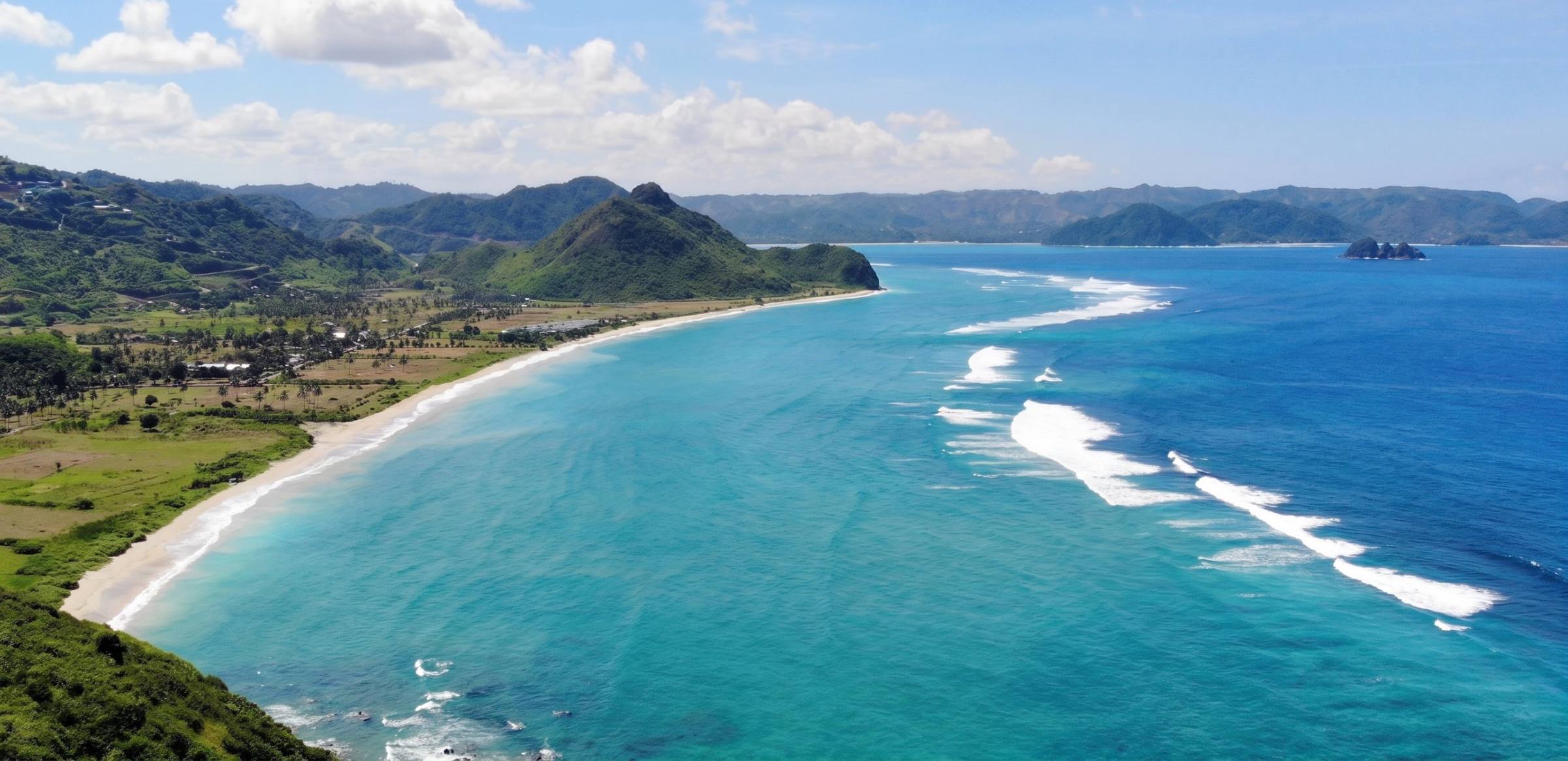
Kuta — Selong Belanak — Torok
The coast is still quiet and land is still fairly priced. Buy in before the rest of the market notices.
Land and villas for sale on Lombok's south coast, from Kuta to Selong Belanak, bought the legal way.
We work with English-speaking investors from Australia, the UK, North America and across Asia. Every title is checked by a PPAT notary before we show it to you, and one team handles your purchase from first viewing to handover.
01
Freehold title (Hak Milik) is reserved for Indonesian citizens, and no agent, notary or "local partner" can change that. What you can do is choose the structure that fits your plans. These are the three that genuinely protect a foreign buyer.
Route 01 — Company ownership
A foreign-owned Indonesian company
You set up an Indonesian company with foreign shareholders. The company, not you personally, holds the land on a right-to-build title and can run villas commercially, employ staff and pay out profits.
Route 02 — Leasehold
A registered long-term lease
You lease land from an Indonesian owner for a fixed term. It is the most common route on this coast: quicker, simpler and cheaper upfront than any title held in your own name.
Route 03 — Right of use
A title in your own name
If you hold an Indonesian residence permit, you can own a house, and the land it stands on, under a right-of-use title registered in your own name.
In a nominee arrangement, an Indonesian citizen holds freehold title for you, backed by side agreements such as a loan, a power of attorney or a pledge. Indonesian law treats these arrangements as void: the Basic Agrarian Law (Article 26) voids freehold transfers to foreigners, and the Investment Law (Article 33) prohibits nominee shareholdings. If the nominee sells, borrows against the land or dies, you have no enforceable claim.
We do not broker nominee deals, and we suggest you walk away from anyone who offers one.
02
Whether you want a plot to hold, a villa that earns or something built to your own brief, every option starts with a clean title and a legal structure you understand.

Hillside plots above Selong Belanak, Torok and the bays east of Kuta, chosen for the view, road access and building potential.

Finished, furnished villas with a local rental manager already in place, so the property can earn from its first season.

Plots and projects that never reach public listings, plus design-and-build for buyers with a precise brief.
03
Plain-English guides for overseas buyers, with a source for every figure. Start with these four, then explore the full journal.
Ownership
The three legal structures compared from an overseas buyer's point of view: what each costs, what you control and what happens when you sell.
Read the guide
Markets
Written for buyers who already know Bali: land prices, access, rules, rental demand and the risks on each island, side by side.
Read the guide
Costs
Land, construction per square metre, PBG permit, architect, pool and furniture: a line-by-line budget you can test against any quote.
Read the guide
Areas
Access, beaches, surf, land prices and who rents there: three areas, three different strategies.
Read the guide
04
What every buyer should know before a first viewing, in one plain-English PDF. Free, and sent straight to your WhatsApp: no forms, no mailing list.
Send us a message and we will reply with the PDF. Ask any follow-up questions in the same chat.
Get the guide on WhatsAppYour number is used only to reply to you. See our privacy policy.
05
Short, direct answers to the questions we hear most from overseas investors. For anything specific to your situation, ask us on WhatsApp.
Not as freehold. Indonesian freehold title (Hak Milik) is reserved for Indonesian citizens. Foreign buyers hold property through one of three registered structures: a long-term lease (Hak Sewa), a right of use in their own name (Hak Pakai, which requires a residence permit), or a right-to-build title held by their own Indonesian company (PT PMA).
Each of these is recognised and enforceable. Nominee arrangements, where a local holds freehold on your behalf, are not.
Payments are made by international bank transfer against a signed, notarised agreement. Prices are often quoted in US dollars, but payments in Indonesia are made in rupiah, so your transfer is converted on arrival. Money should go only to the notary's escrow or the account named in the deed, never to an intermediary.
Indonesia operates an open foreign-exchange regime, so legitimate income and sale proceeds can be transferred abroad once local taxes are paid. Keep your deeds, invoices and tax receipts: your bank will ask where the money came from.
In Indonesia first. For Indonesian tax residents, rent from land or buildings carries a final 10% tax on the gross amount (Government Regulation 34/2017); for non-resident owners, many advisers apply a 20% withholding tax instead. Villas run as a business through a PT PMA pay corporate income tax of 22% on profit, and guests pay a 10% regional tax on accommodation.
Australian and UK tax residents must also declare foreign income at home. Indonesia has a double tax agreement with both countries, which generally lets you offset Indonesian tax already paid. Check your own position with a tax adviser in each country.
You do not need a special visa to sign a lease, but you will need one to live here long-term or to hold Hak Pakai title. The usual routes are an investor KITAS linked to shareholding in a PT PMA, the second home visa for those who can show substantial funds, and, for over-55s, a retirement KITAS.
Thresholds and conditions change regularly, so we introduce you to a licensed immigration agent for current terms rather than quoting figures that may be out of date.
Yes, and most of our clients do. A local manager handles bookings, guests, staff, maintenance and payments, and sends you a monthly statement. Deeds can be signed in person during a visit or through a notarised power of attorney, so many owners come over only once or twice a year.
Allow roughly 12 to 18 months from land purchase to handover for a typical two- to four-bedroom villa: a few months for design and the building permit (PBG), then around 8 to 12 months on site, depending on size, finishes and the rainy season (roughly November to March).
You receive a written schedule with milestones before any work starts, and payments to the builder are tied to those milestones.